Expert Care for Early Detection and Treatment of Colorectal Cancer.

Here for fewer what-ifs.
A colonoscopy can detect colorectal cancer or even pre-cancerous polyps at an early, treatable stage.
It's a critical healthcare decision you should make if you're 45 or older — even if you feel fine and have no family history of cancer.
Factors such as age and lifestyle choices — including diet, smoking, and alcohol consumption, among others — can affect your risk of developing colorectal cancer.
Take our colorectal cancer risk assessment to better understand your personal risk.
Understanding Colorectal Cancer
Colon and rectal cancers are one of the few cancers we can actually prevent. People with family members who have colon cancer or colon polyps at a young age are at a higher risk for developing colorectal cancer later in life. African-American’s are also at an increased risk of developing colorectal cancer.
You may have symptoms like changes in your stool or bleeding, or no symptoms at all. That is why a screening colonoscopy is important. If you're age 45 or over, a colonoscopy is the first and most important step to preventing colorectal cancer.
A colonoscopy helps reduce your risk of cancer while also detecting it in one procedure. Nearly all colorectal cancers begin with a pre-cancerous polyp in the colon or rectum. These polyps can be detected and then removed during a routine screening.
Listen to Dr. Khayree Butler discuss colorectal cancer, the risk factors, symptoms, and the importance of screening colonoscopies.
The updated guidelines now recommend that colorectal cancer screenings begin at age 45.

Quality of Care
Our program for treating gastrological cancers such as colon and rectal cancer is among the best in the nation when measured by our quality of care. We not only exceed our peers in the region, but we also exceed national averages in terms of providing recognized standards of cancer care. Our performance in these accreditation programs means that we provide the highest level of rectal and colon cancer care available.
Our colon cancer experts work as a team with physicians, nurse navigators and other medical professionals on a personalized plan for your type of cancer and specific situation.
Separating Fact from Fiction

Myth: There is no colorectal cancer in my family.
Truth: Most people (85%) with colorectal cancer have no family history of it. Start screening at age 45, even if you have no risk factors.

Myth: I know my body and can tell when something is wrong.
Truth: Polyps and early stages of cancer do not usually cause any symptoms. Regular screening, especially with colonoscopy, is the best way to prevent cancer or to find it early.

Myth: I am too young to have colorectal cancer.
Truth: About 12% of those who get colorectal cancer are under age 50. This percentage appears to be increasing over time. If you have persistent rectal/stool bleeding or abdominal pain, talk with your doctor about what might be causing it. Don’t wait!

Myth: I really don't want a colonoscopy. It's gross!
Truth: Almost everyone who has had a colonoscopy says, " It's not nearly as bad as I thought". The benefit of a colonoscopy is that it can help prevent cancer. If pre-cancerous polyps are found, they can be removed.
The Bottom Line (pun intended): Colonoscopy is the best prevention!
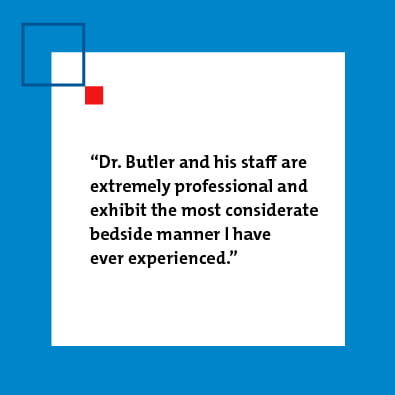
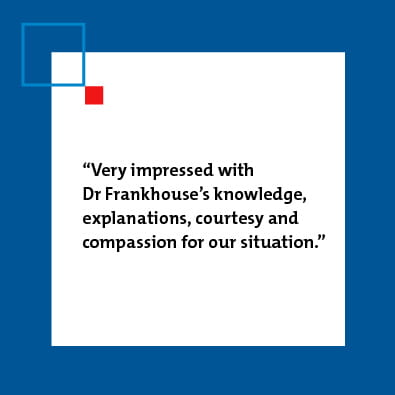
Rave Reviews